What the 15% of Enterprises Ready for Agentic AI Built Differently
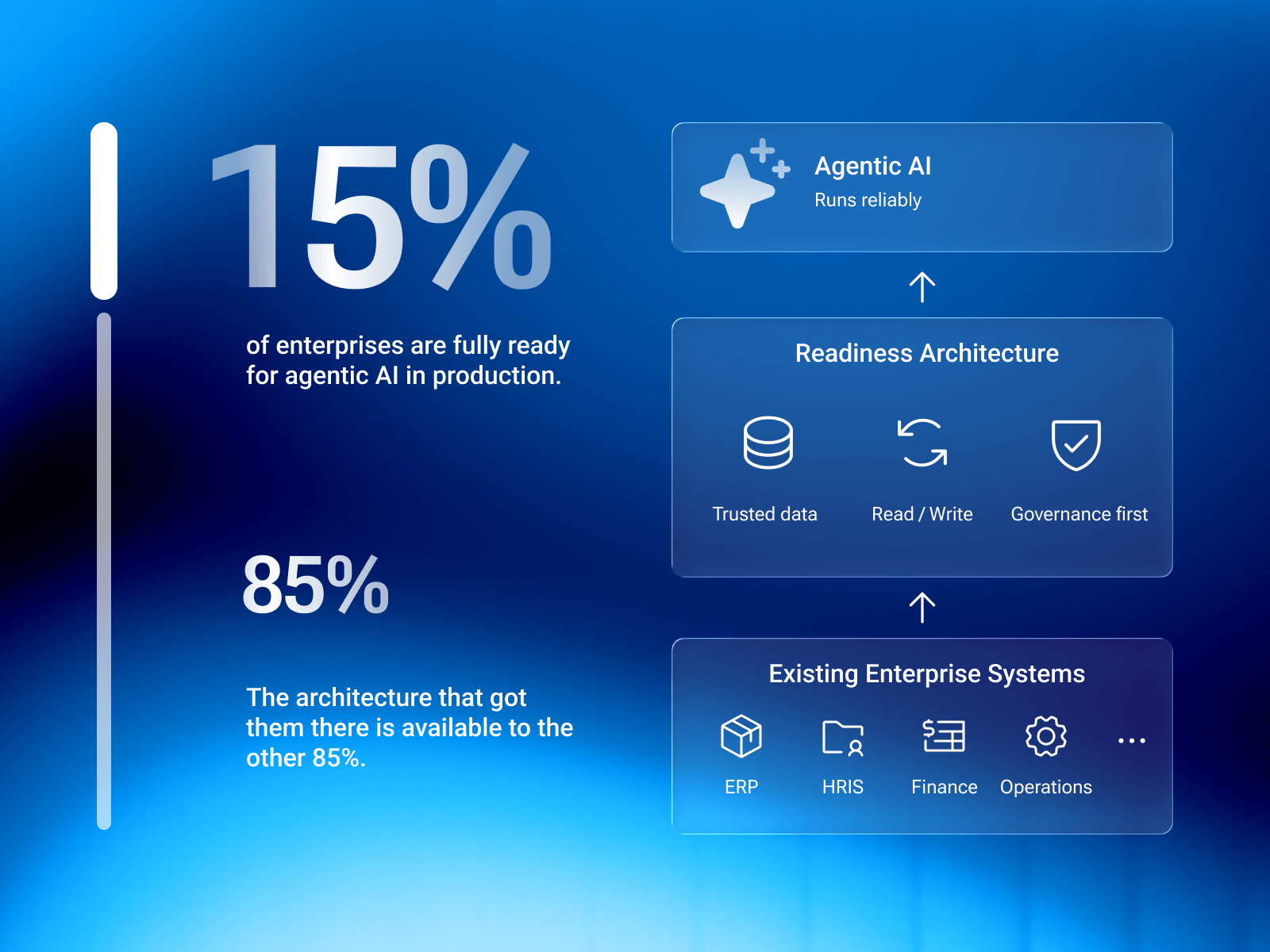
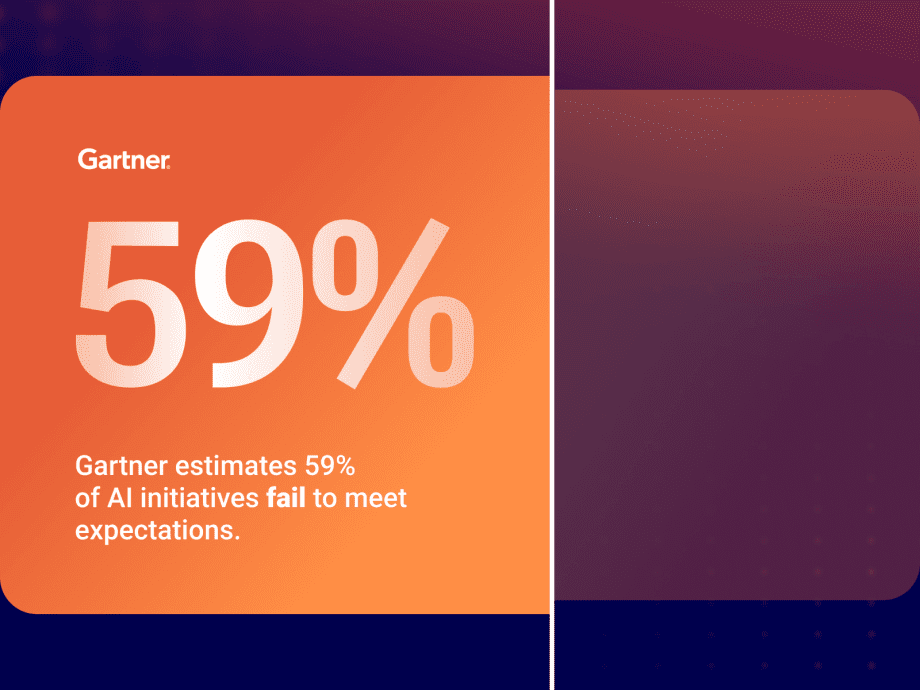
In May 2026, Fivetran released the 2026 Agentic AI Readiness Index, a global benchmark of 400 data professionals across the US, UK, EMEA, and Asia-Pacific. The headline finding: only 15% of organizations are fully prepared to support agentic AI in production, even as nearly 60% report investing millions to tens of millions in the technology. Gartner estimates that more than 40% of agentic AI projects will be canceled by 2027.
The 15% who are ready share a common architecture. Understanding what they built is more useful than diagnosing what the other 85% haven’t – because it is buildable on existing infrastructure, without replacing the systems already in place.
What the readiness architecture requires
The Fivetran index asked data leaders to name the primary barriers to achieving their agentic AI goals. Data quality and lineage led at 42%. Regulatory compliance and data sovereignty followed at 39%. Security and privacy risk came in at the same level. Each of these failure points lives below the AI layer – in the enterprise systems, data pipelines, and governance structures that AI must operate across to function reliably.
The 15% that cleared these barriers built a governed data foundation before they deployed the AI layer on top of it. That foundation has three properties: real-time access to authoritative records across every system the AI operates in; bidirectional read/write capability with complete lineage for every action taken; and governance controls that run before the AI acts, not after. When those properties are present, agentic AI runs reliably. When they are missing, the AI encounters the data and compliance failures that are showing up as the primary blockers in the readiness data.
Why governance has to be architectural, not procedural
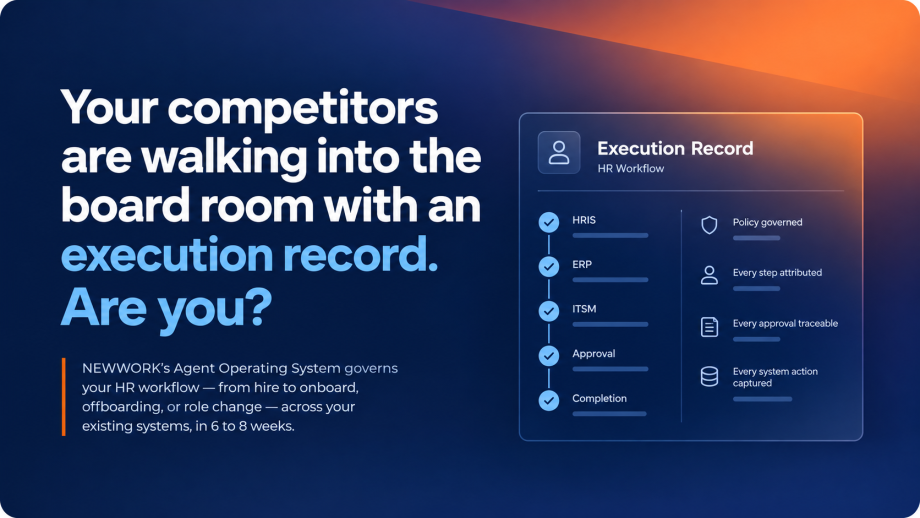
In regulated enterprises, every action a digital employee takes must be traceable. When a digital employee reads a record, triggers an approval, routes a decision, or updates system state, each of those operations carries an audit requirement. An AI system that acts without a complete audit trail is not an asset in those environments – it cannot satisfy the compliance and sovereignty requirements that govern the business.
The enterprises in the 15% built governance into the execution architecture from the start: role-based identity, delegated authority, policy checks before execution, and a complete audit trail for every action. That structure is what allows them to run agentic AI reliably in regulated environments. It cannot be retrofitted onto a system not designed for it – which is why the compliance and sovereignty failures are showing up as primary blockers for the organizations that tried to add governance afterward.
What the architecture looks like on existing infrastructure
Building the readiness architecture does not require replacing existing systems. NEWWORK’s Data Bridge and AnyPoint Connect provide the data access layer – programmatic, governed connectivity across ERP, HRIS, finance, and operational systems, built for the read/write patterns that agentic AI requires. The NEWWORK Agent Operating System provides the governance layer: every digital employee operates with a defined role, a scoped permission set, policy boundaries, escalation rules, and full auditability.
Existing systems connect once through documented connectors. Digital employees then operate across those connected systems under the governance structure already in place. The integration surface area is bounded by the number of systems connected, not by the number of workflows running across them. A new workflow uses the connections already established.
The 15% finding is a replicable result
Only 15% of organizations are fully prepared for agentic AI in production. That number moves when the governed infrastructure underneath the AI is built to support it – not when the AI layer itself is expanded. The architecture the 15% built is available to the other 85%. The CIOs who build it now operate agentic AI reliably while others are still diagnosing failures at the infrastructure layer.
Sources
Fivetran 2026 Agentic AI Readiness Index (May 5, 2026)
Fivetran: 85% of enterprises running agentic AI on a data foundation that isn’t ready