Start With One Finance Workflow. We’ll Bring the Baseline.
You name the finance workflow you want NEWWORK to prove a return on. NEWWORK measures the manual-steps and cycle-time baseline before deployment begins, runs the workflow end to end as a governed FLOW across the systems you already use, and produces a before-and-after execution record in six to eight weeks.
Why the baseline comes first.
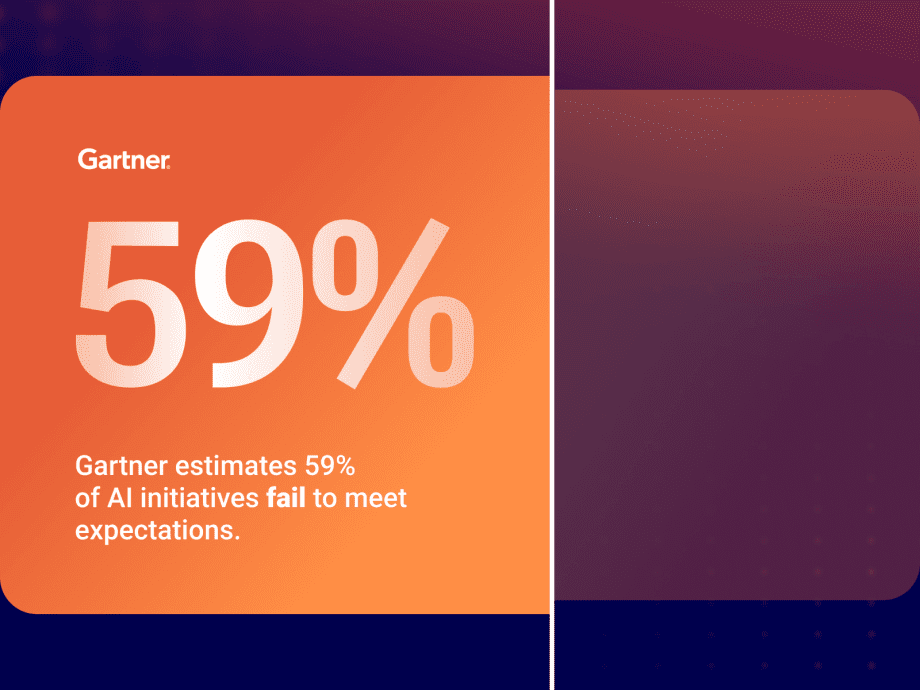
The gap most CFOs are living in right now is not a tooling gap. AI spend is real and the return is theoretical — only 4% of finance teams have fully automated accounts payable despite years of ERP investment, and 59% of IT leaders cannot show their board clear value from current AI investments. The reason is not the AI. It is the absence of an execution layer that connects an AI decision to a governed, cross-system action and produces a record of what changed.
That is why NEWWORK measures before it builds. The baseline — manual steps, systems touched, time per cycle — is agreed with you before deployment starts. The execution record at six to eight weeks is set against that baseline. The return is not a vendor estimate. It is a measured delta.
Who does what.
- You name the finance workflow in scope — invoice-to-payment, spend approval, or another cross-system process.
- You state any constraint NEWWORK has to work inside, including a committed ERP upgrade already in flight.
- NEWWORK proposes the baseline methodology, and you agree it before anything is measured.
- NEWWORK runs the FLOW and produces the execution record.
- You name a process owner only if the workflow crosses out of Finance. Most do not.
That is the full extent of what this asks of you before work begins. Your team is not doing the measuring.
What you hold at the end.
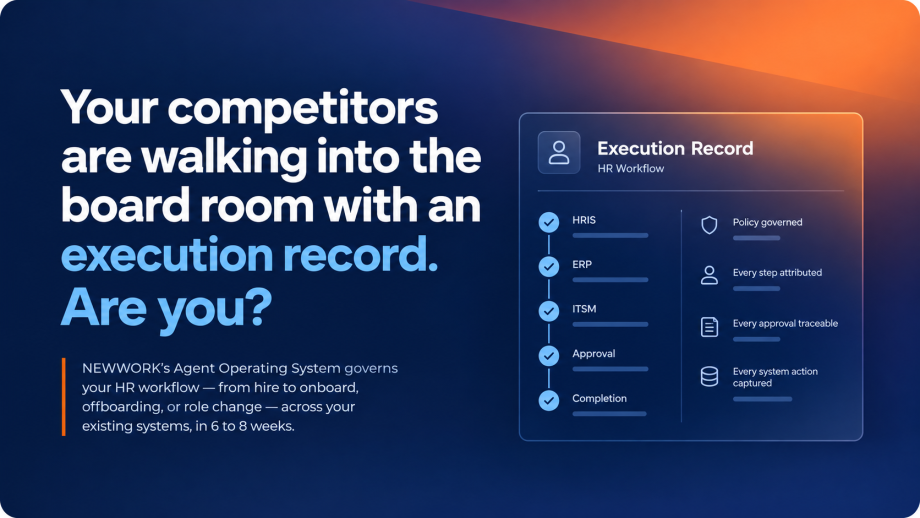
A FLOW execution record. Every step the workflow ran, which system each action touched, which policy governed it, which human approved it when approval was required, and the reasoning behind each decision written in natural language. Set against the baseline captured before anything ran, it is a measured before-and-after — the audit trail your board, your auditor, and your controller can all read the same way. One document, three accountability views: the CFO reads return, the CIO reads operational state, the board reads the audit trail.
What does not change.
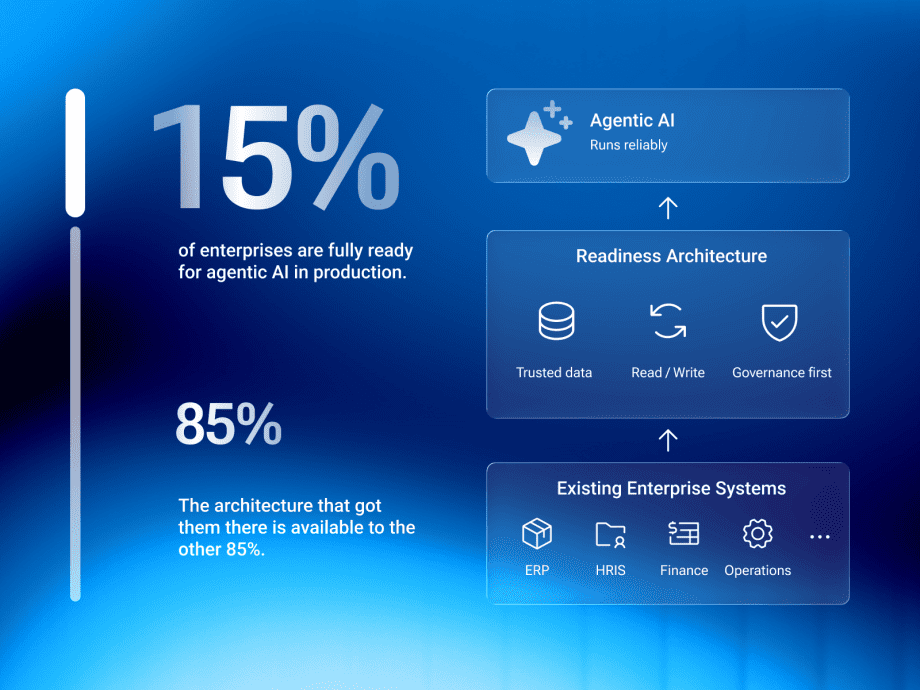
Your ERP stays. NEWWORK orchestrates above your current systems without requiring replacement, and your existing configurations and integrations remain as they are. Your approval chain stays. Separation of duties, approval thresholds, and spend controls are enforced on every AI action before it executes — your policies run in the system, not alongside it. What NEWWORK removes is the manual routing work of moving an invoice, an approval, or an exception between systems that were never designed to connect — not the judgment work your team was hired for.
The first thirty minutes.
- You name the workflow and the systems it touches.
- NEWWORK proposes the baseline methodology — manual steps, systems touched, time per cycle.
- You agree the baseline approach before it is measured, or tell us the fit is wrong. If it is, this is where that becomes clear — which costs less than finding out in week four.
- NEWWORK scopes the FLOW and confirms the six-to-eight-week timeline.